
If you’re on the shorter side, finding a rowing machine that doesn’t feel like it was built for a giant can be a real struggle. You know the drill: your knees hit the handle, you can’t get a full leg drive, and your back ends up doing all the work. That’s not just uncomfortable, it’s also a fast track to poor form and potential injury. This guide is specifically for you. We’ve evaluated the top rowers on the market to find the ones with adjustable footrests, shorter rail lengths, and compact frames that accommodate smaller statures without sacrificing a quality workout. Whether you’re a beginner or a seasoned rower, we’ve got the picks to help you row with confidence and comfort. If you’re also exploring other home cardio options, check out our comparison of rowing machines vs exercise bikes to see which fits your goals best.



Buying Guide: What to Look for in a Rowing Machine for Short People
Choosing the right rower isn’t just about picking a popular model. For shorter users, specific features make all the difference between a comfortable, effective workout and a frustrating one. Here are the key criteria we used to evaluate our top picks.
Adjustable Footrests and Seat Height
The most critical feature for a shorter rower is the ability to adjust the footrests. Look for models with multiple height settings that allow you to position your feet so your knees can bend comfortably without hitting your chest. A lower seat height is also beneficial, as it makes getting on and off the machine easier and helps maintain proper posture. The Concept2 RowErg, for example, offers a 14-inch seat height and adjustable footrests, making it a versatile choice for various body types.
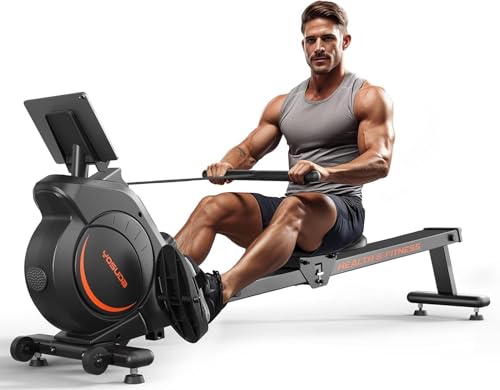
Also, consider the rail length. Some rowers have a shorter slide rail, which is ideal for shorter legs. The YOSUDA Rowing Machine for Home is designed for users between 4’5″ and 5’11”, ensuring a full range of motion without overstretching. For more insights on finding the right fit, our guide to the best rowing machines for home offers additional tips.
Compact Footprint and Storage
Shorter users often live in smaller spaces, so a rower with a compact footprint is a huge plus. Many magnetic rowers, like the YPOO Rowing Machine for Home, fold up vertically to save over 70% of floor space when not in use. Built-in transport wheels are another convenience, allowing you to roll the machine out of the way with minimal effort. If space is a concern, consider a hydraulic rower like the GYMAX model, which is lighter and easier to tuck away.
Even if you have a dedicated home gym, a compact rower can make the room feel more open and versatile. Always check the product dimensions and compare them to your available space. For more space-saving ideas, explore our collection of magnetic rowers.
Resistance Type and Smoothness
The type of resistance affects both the feel of the workout and your comfort. Magnetic resistance is a top choice for shorter users because it’s smooth, quiet, and often offers multiple levels of adjustment. This allows you to start with a lighter resistance and gradually increase as you build strength. The Wenoker Magnetic Rowing Machine, for instance, provides a whisper-quiet operation with less than 30 dB of noise, perfect for apartments.
Air rowers like the Concept2 RowErg offer a dynamic, self-regulating resistance that increases with your effort, which can be great for intense interval training. However, they can be noisier. Hydraulic rowers, like the GYMAX, use cylinders for resistance and are often the most budget-friendly, but they can feel less smooth. Weigh the pros and cons based on your noise tolerance and workout style. For a deeper dive into different resistance types, check out our guide to water rowing machines, which offer a different feel.
User Weight Capacity and Build Quality
Even for shorter users, a sturdy frame is non-negotiable. Look for a rower with a high user weight capacity, typically 300 lbs or more, to ensure stability during vigorous workouts. A heavy-duty steel frame with a wide base will prevent wobbling and give you confidence with every stroke. The YOSUDA models are known for their robust construction, supporting up to 350 lbs, and their wider tracks enhance stability for a safer rowing experience.
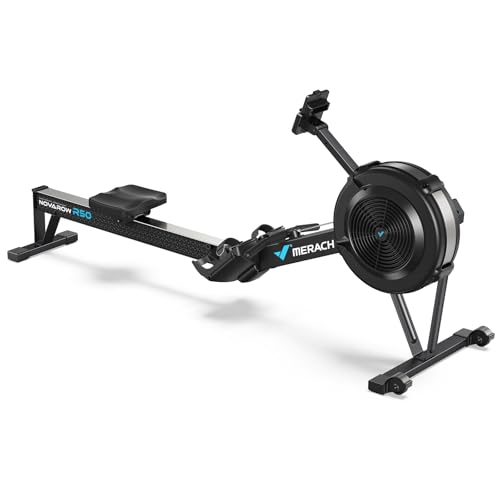
Also, pay attention to the seat. A well-cushioned, ergonomically designed seat can make a world of difference, especially during longer sessions. The Merach R50 Pro features a contoured seat that reduces pressure on the tailbone, a thoughtful touch for any rower. For older adults or those with joint concerns, a stable and comfortable rower is especially important, as highlighted in our guide to rowing machines for seniors.
Final Thoughts
After careful consideration, our top recommendation for most shorter users is the Concept2 RowErg Indoor Rowing Machine, thanks to its exceptional adjustability, legendary durability, and smooth air resistance that adapts to your pace. For those seeking a more budget-friendly and compact option that doesn’t compromise on comfort, the YPOO Rowing Machine for Home stands out with its 16-level magnetic resistance, foldable design, and a rail that accommodates users as short as 4’5″. Whichever you choose, you’ll be investing in a piece of equipment that brings the benefits of a full-body workout right into your living room.
Frequently Asked Questions
What is the best rowing machine for someone who is 5’2″?
For someone around 5’2″, we recommend the YOSUDA Rowing Machine for Home, which is explicitly designed for users between 4’5″ and 5’11”. Its adjustable footrests and shorter rail length ensure a comfortable, full range of motion without strain.
Are magnetic rowers better for short people than air rowers?
Magnetic rowers are often preferred by shorter users because they provide smooth, consistent resistance that isn’t tied to your pulling speed. This allows for a more controlled and comfortable stroke, especially for beginners. Air rowers like the Concept2 can also work well if you adjust the damper setting, but they may require more effort to get a smooth pull.
Can I adjust the footrests on a rowing machine to fit my height?
Yes, most quality rowing machines come with adjustable footrests. Look for models with multiple height settings, like the Concept2 RowErg, which allows you to position the footplate to match your inseam. Proper foot placement is crucial for effective leg drive and preventing knee strain.
How much space do I need for a rowing machine if I’m short?
Even compact rowers need a clear area for use, typically around 6 to 8 feet in length. However, many models fold up for vertical storage, reducing their footprint to just a few square feet. The YPOO rower, for example, takes up only 2.9 sq.ft when stored, making it ideal for apartments. For more space-saving tips, check out our best rowing machines for home guide.