

You are ready to upgrade your home gym, but you are stuck between two cardio titans: the rowing machine and the exercise bike. Both promise calorie torching, heart pumping workouts, and a low-impact experience. Yet they deliver very different results. If your goal is total body conditioning, muscle engagement from head to toe, and a workout that challenges your endurance and strength simultaneously, a rowing machine often pulls ahead. This guide breaks down the key differences, reviews four top rowing machines of 2026, and helps you decide which machine deserves a spot in your home. For a deeper look at home fitness setups, check out our best rowing machine for home guide.



Buying Guide
Resistance Type and Workout Intensity
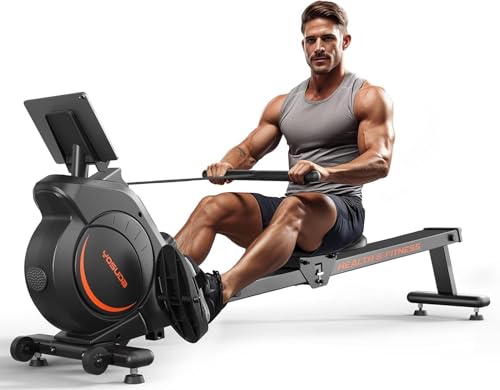
The resistance system defines your rowing experience. Air resistance, like the one used by the Concept2 RowErg Indoor Rowing Machine, provides a dynamic, self-regulating load that increases with your effort. This makes it ideal for athletes and those who want race-level data. Magnetic resistance, found on models like the YOSUDA and YPOO rowers, offers silent, smooth tension that you can dial in precisely. It is perfect for apartment dwellers or anyone who wants a whisper-quiet workout.
If you crave the feeling of real water rowing and want to push your limits with every stroke, air resistance is your match. If you prefer consistent, adjustable resistance without noise, magnetic systems win. Both deliver excellent cardio, but the choice affects your training style and your household peace.
Build Quality and User Capacity
A sturdy frame is non-negotiable for safety and longevity. The Concept2 RowErg boasts a 500-pound user capacity and a 5-year frame warranty, making it a lifetime investment. The YPOO and YOSUDA models support up to 350 pounds, which covers most users and is reinforced with heavy-duty steel. Look for a wide, stable base and a seat that glides smoothly. A well-built machine will not wobble or creak, even during intense intervals.
For seniors or those with mobility concerns, a stable frame and easy entry are critical. Our best rowing machine for seniors guide covers additional considerations like seat height and step-through design.
Space, Storage, and Portability
Rowing machines vary in footprint. The Concept2 RowErg requires a 9×4 foot space but separates into two pieces for storage and rolls on caster wheels. The YPOO and YOSUDA magnetic rowers are more compact, folding vertically to save over 70% of floor space. If you live in an apartment or have a multi-use room, a foldable magnetic rower is a game changer. Built-in transport wheels make moving them effortless.
Compare this to an exercise bike, which typically has a smaller footprint but offers less full-body engagement. For a compact cardio solution that still works your arms, back, and core, a rowing machine is hard to beat. See how the Hydrow Wave handles space efficiency.
Connectivity and Smart Features
Modern rowing machines are smart. The Concept2 RowErg features the PM5 monitor with Bluetooth and ANT+ connectivity, compatible with over 40 apps like Zwift and ErgData. The YOSUDA and YPOO models offer Bluetooth app connectivity for guided workouts and performance tracking. If data-driven training motivates you, look for a machine that syncs with your favorite fitness apps. A device holder keeps your phone or tablet at eye level for streaming classes or entertainment.
Final Thoughts
When deciding between a rowing machine and an exercise bike, consider your fitness priorities. If you want a total body workout that builds strength and endurance simultaneously, a rowing machine is the clear winner. For sheer convenience, silent operation, and space-saving design, the YPOO Rowing Machine for Home offers incredible value and a whisper-quiet magnetic resistance system. If you are a performance-driven athlete who demands precise data and a machine that will last a lifetime, the Concept2 RowErg Indoor Rowing Machine remains the gold standard. Whichever you choose, you are investing in a workout that challenges your whole body and keeps your joints happy.
Frequently Asked Questions
Is a rowing machine better than an exercise bike for weight loss?
Both machines burn significant calories, but a rowing machine engages more muscle groups, including your arms, back, core, and legs. This can lead to a higher total calorie burn per session and greater metabolic afterburn. For sustainable weight loss, consistency matters most, and the rowing machine offers a full-body challenge that keeps workouts varied.
Which is easier on the knees: rowing machine or exercise bike?
Both are low-impact and joint-friendly. Rowing machines provide a smooth, gliding motion that is gentle on the knees, especially with magnetic resistance. Exercise bikes also offer a seated, non-impact workout. For individuals with knee concerns, both are excellent choices, but rowing adds upper body engagement without stressing the joints.
How much space do I need for a rowing machine?
Most rowing machines require about 8 to 9 feet of length and 2 to 4 feet of width. Foldable models, like the YPOO and YOSUDA magnetic rowers, can be stored vertically in under 3 square feet. Always measure your space before purchasing. For more tips, read our best rowing machine guide.
Can I use a rowing machine every day?
Yes, you can row daily, but vary your intensity. Mix high-intensity intervals with steady-state sessions and active recovery rows. The low-impact nature of rowing allows for frequent use without overstressing your joints. Listen to your body and incorporate rest days as needed for muscle recovery.


