

If you’re on the shorter side, you know the struggle: you hop on a recumbent bike, and the seat is too far back, the pedals feel awkward, and your knees ache before you even break a sweat. It’s a common frustration, but it doesn’t have to be your reality. The right recumbent bike is out there, designed with adjustability and ergonomics that cater to smaller frames, making every ride comfortable and effective. In this guide, we’ve evaluated seven top-rated models to help you find the perfect fit for your home gym.
Whether you’re looking for a gentle way to stay active or a robust machine for serious cardio, our picks span a range of features and budgets. We’ve focused on key factors like seat adjustability, step-through height, and overall frame geometry to ensure you get a bike that feels like it was made for you. For more guidance on setting up your home gym, check out our roundup of the best recumbent bikes for home gym.




Buying Guide: What to Look for in a Recumbent Bike for Short People
Choosing the right recumbent bike involves more than just picking a brand you recognize. For shorter riders, specific features can make or break the experience. Here are the key criteria we used to evaluate our top picks.
Seat Adjustability and Fore-Aft Range
The most critical feature for a short person is a seat that slides far enough forward. Look for bikes with a wide range of fore-aft adjustment, allowing you to position your legs so there’s a slight bend in your knee at the bottom of the pedal stroke. Many bikes, like the MERACH Recumbent Exercise Bikes for Home High-end, offer multiple seat positions to accommodate different inseam lengths. A good rule of thumb is to check the minimum seat-to-pedal distance listed in the specs.
Step-Through Height and Frame Design
Getting on and off the bike should be effortless. A lower step-through height is a game-changer for shorter riders, reducing the need to lift your leg high. The JOROTO Recumbent Exercise Bike for Seniors Adults features a wide step-through space for easy access. This design is not only convenient but also enhances safety, especially for seniors or those with mobility concerns. For more on this, see our guide to the best recumbent bikes for seniors.
Pedal Position and Crank Arm Length
Standard crank arms can feel too long for shorter legs, causing knee strain. While this spec isn’t always advertised, some bikes offer shorter crank arms or a geometry that naturally suits smaller riders. The Sunny Health & Fitness Smart Recumbent Bike, for instance, has a long inseam accommodation that can often be adjusted to fit shorter users comfortably. Pay attention to how your feet sit on the pedals and whether you can maintain a smooth, circular motion without overextending.
Overall Weight Capacity and Stability
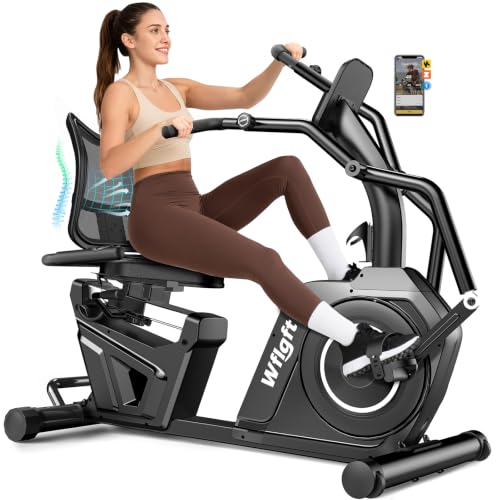
A sturdy frame is essential for any rider, but it’s especially important when you’re adjusting the seat to its forward-most position. A stable base ensures the bike doesn’t wobble during intense workouts. The WFLGFT Recumbent Exercise Bikes boasts a 450LB heavy-duty frame, providing rock-solid stability. A higher weight capacity often correlates with a more robust build, which can translate to a smoother, quieter ride for everyone.
Final Thoughts
Finding the perfect recumbent bike for a shorter stature comes down to prioritizing adjustability and comfort. For a high-tech, feature-rich option that offers excellent seat range and a smooth ride, the JOROTO Recumbent Exercise Bike for Seniors Adults is a standout with its 400 lb capacity and smart app integration. If you’re looking for a more budget-friendly pick that still delivers on ergonomic comfort and a quiet operation, the MERACH Recumbent Exercise Bikes for Home High-end offers great value with its 8-level car-style seat adjustment. Whichever you choose, both models are designed to make your workouts more enjoyable and effective.
Frequently Asked Questions
What is the minimum height for a recumbent bike?
Most recumbent bikes accommodate riders around 5 feet tall, but it varies by model. Always check the manufacturer’s recommended height range. Bikes with highly adjustable seats, like those from MERACH and JOROTO, are often the best options for shorter individuals.
Are recumbent bikes easier on the knees for short people?
Yes, recumbent bikes are generally easier on the knees because of their reclined position and larger seat. For shorter riders, ensuring the seat is properly adjusted forward is key to avoiding knee strain. The low-impact nature of these bikes makes them ideal for joint-friendly workouts in 2026.
Can I adjust the pedals on a recumbent bike for shorter legs?
Most recumbent bikes come with adjustable pedal straps to secure your feet, but the pedal position itself is fixed. The primary adjustment for leg length is moving the seat forward or backward. Some premium models, like the NordicTrack 10 Recumbent Bike, offer ergonomic pedals that can accommodate different foot sizes comfortably.
What features should I prioritize for a petite rider?
Focus on seat fore-aft adjustment range, a low step-through height, and a stable frame. Also consider the distance from the seat to the handlebars. For a deeper dive into comfort-focused designs, read our schwinn 270 recumbent bike review for insights on ergonomic seating.
