
🔥 Black Friday Exercise Bike Deals: picks worth watching →
You’ve finally decided to bring a spin bike into your home, but the sheer number of options feels overwhelming. You want a smooth, quiet ride that won’t disturb your family, and you need resistance levels that challenge you as you get fitter. That’s where this YOSUDA Pro Magnetic Exercise Bike review comes in, helping you cut through the noise and find a model that truly fits your lifestyle.
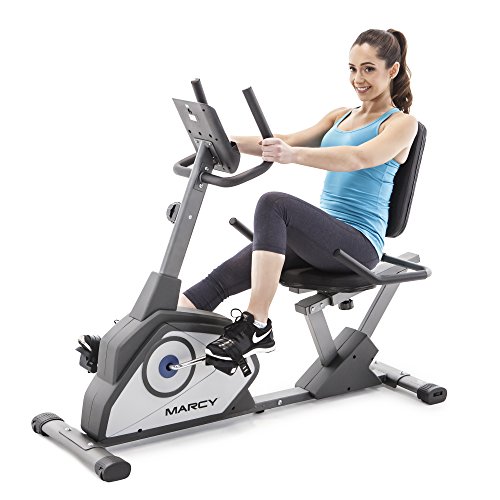
In this guide, we’ll break down three leading spin bikes: the Marcy Magnetic Recumbent Exercise Bike with 8, the YOSUDA Exercise Bike, Brake Pad Stationary Bike, and the CHAOKE Quiet Adjustable Magnetic model. Whether you’re a beginner or a seasoned cyclist, we’ll help you decide which one deserves a spot in your home gym. If you’re shorter or have specific needs, check out our best exercise bike for short women guide for tailored advice.



Buying Guide: What to Look for in a Magnetic Exercise Bike
Choosing the right exercise bike goes beyond just picking a color. You need to consider how the bike feels during a workout, how durable it is, and whether it offers the features you’ll actually use. Let’s break down the key factors that matter most.
Resistance System: Magnetic vs. Friction
Magnetic resistance uses magnets to create tension, offering a smooth, near-silent ride. This is ideal if you live in an apartment or like to watch TV while cycling. The YOSUDA Pro Magnetic model excels here, providing consistent resistance without the wear and tear of friction pads.
Friction resistance, like the brake pad system on the YOSUDA Exercise Bike, gives a more traditional spin bike feel. It’s often more affordable, but it can be noisier and requires occasional pad replacement. If quiet operation is your priority, magnetic is the way to go.
Comfort and Adjustability
A bike that doesn’t fit your body will quickly become a clothes rack. Look for adjustable seats and handlebars that move both vertically and horizontally. The CHAOKE model, for instance, offers a comfortable padded seat and multiple adjustment points, making it suitable for various heights.
For those with back issues, a recumbent bike like the Marcy Magnetic Recumbent Exercise Bike with 8 provides excellent lumbar support. You sit in a reclined position, which reduces strain on your spine. Learn more about exercise bikes for back problems if this is a concern.
Flywheel Weight and Stability
The flywheel’s weight affects how smooth your pedal stroke feels. Heavier flywheels (around 25 lbs or more) provide a more stable, realistic ride. The YOSUDA Exercise Bike boasts a 25 lbs flywheel, which helps keep the bike steady even during intense sprints.
Stability is also about the frame. Look for heavy-duty steel construction, like the Marcy model, which can withstand rigorous use. A sturdy bike won’t wobble or shift, giving you confidence to push harder.
Tech Features and Connectivity
Modern bikes come with LCD displays, Bluetooth, and app integration. The YOSUDA Exercise Bike offers a tablet holder and Bluetooth Smart App support, letting you follow virtual rides or track your progress. The Marcy’s LCD monitor shows time, speed, distance, and calories, covering the basics.
If you’re a beginner, you might not need advanced tech. But if you enjoy gamified workouts, look for app compatibility. For more tips, read our spin bike for beginners guide to see what features matter most when you’re starting out.
Final Thoughts
After reviewing these three bikes, it’s clear that each serves a different rider. For a quiet, app-connected ride that feels like a studio class, the YOSUDA Exercise Bike, Brake Pad Stationary Bike is a standout choice, offering a smooth magnetic feel and smart features. If you prefer a more relaxed, back-friendly workout, the Marcy Magnetic Recumbent Exercise Bike with 8 provides exceptional comfort and support at a great value. Whichever you pick, you’re investing in your health, so choose the one that matches your fitness goals and home environment.
Frequently Asked Questions
Are magnetic exercise bikes worth it?
Yes, magnetic exercise bikes are worth the investment for most home users. They offer a smoother, quieter ride compared to friction bikes, and they require less maintenance. The YOSUDA Pro Magnetic model is a prime example of how magnetic resistance can enhance your workout experience.
How much space do I need for a spin bike?
Most spin bikes have a footprint of about 2 feet by 4 feet. You’ll also want some clearance around the bike for getting on and off safely. If space is tight, consider a foldable model or measure your room before purchasing. For compact options, our best exercise bike for cardio workout guide includes space-saving picks.
Can I use a spin bike if I have knee problems?
Yes, spin bikes are generally low-impact and gentle on knees, provided you set the resistance appropriately. Start with low resistance and gradually increase as your strength improves. The recumbent style, like the Marcy model, is even more joint-friendly because of its reclined position.
How often should I use a stationary bike?
For most people, using a stationary bike 3-5 times per week for 30-45 minutes is ideal. Listen to your body and allow rest days for recovery. Consistency is more important than intensity, especially if you’re just starting out. As you progress, you can increase duration or resistance.