

🔥 Treadmill Black Friday Deals for 2026: picks worth watching →
After a knee replacement, a back injury, or a cardiac event, finding safe, effective exercise can feel overwhelming. You need a machine that supports your recovery without straining your joints. That is where the best recumbent bike for rehabilitation comes in, offering a reclined position that reduces stress on your spine and lower body while still giving you a solid cardio workout.
In this guide, we review nine top-rated recumbent bikes designed for rehabilitation, physical therapy, and gentle daily fitness. Whether you are a senior rebuilding strength or an athlete recovering from surgery, these bikes provide the stability, adjustable resistance, and comfort you need to get moving again. For more context on how recumbent bikes compare to other low-impact machines, check out our spin bike vs recumbent bike.




Buying Guide: What to Look For in a Rehabilitation Recumbent Bike
Adjustable Resistance for Gradual Progress
Rehabilitation requires starting slow and gradually increasing intensity. Look for a bike with at least 8 to 16 resistance levels. Models like the pooboo Recumbent Exercise Bike offer 16 levels, allowing you to begin with gentle pedaling and progress to more challenging cardio as your strength improves.
A magnetic resistance system is ideal because it provides smooth, quiet adjustments without jerky movements. This is especially important for users with joint pain or balance issues. For more on low-impact options, see our best recumbent bike for riding guide.
Comfort and Ergonomic Support
Since rehabilitation sessions can last 20 to 30 minutes or more, a comfortable seat and backrest are non-negotiable. A padded, breathable backrest supports your lower back and promotes proper posture. The MERACH Recumbent Exercise Bikes for Home High-end features a thicker seat and adjustable backrest, making it a great choice for extended recovery workouts.
Also, check the seat adjustment range. A bike that accommodates different leg lengths ensures you can find the perfect pedaling position, reducing strain on your knees and hips. This is a key factor for users who are shorter or taller than average.
Stability and Weight Capacity
During rehabilitation, you need a bike that feels rock-solid. Look for a heavy-duty steel frame with a weight capacity of at least 350 to 400 pounds. The Recumbent Exercise Bike, Stationary Bike for Home from XVGVSV supports up to 400 pounds and uses commercial-grade steel, offering the stability you need for safe exercise.
A wider base and sturdy construction minimize wobble, especially when you are pedaling at a steady pace. This is particularly important for seniors or those with balance concerns. For a deeper look at stability, check our best recumbent bike for short seniors article.
Monitor and Heart Rate Tracking
Rehabilitation often involves keeping your heart rate within a safe zone. A built-in monitor that displays time, distance, speed, calories, and heart rate helps you track progress and avoid overexertion. The Recumbent Exercise Bike for Home includes pulse sensors on the handles and an LCD display, giving you real-time feedback.
Some models, like the MERACH S08 Next-generation Recumbent Exercise Bike, sync with a smartphone app via Bluetooth, allowing you to monitor your stats over time. This can be motivating and helps you and your healthcare provider see your progress.
Final Thoughts
Choosing the right recumbent bike for rehabilitation comes down to your specific recovery needs, comfort preferences, and budget. For a versatile option with dual-action arm and leg movement that supports full-body rehabilitation, the pooboo Recumbent Exercise Bike stands out with its 16 resistance levels and 450-pound capacity. If you prefer a more budget-friendly yet reliable choice, the Recumbent Exercise Bike for Home from XVGVSV offers a 400-pound capacity, adjustable seat, and heart rate monitoring, making it an excellent value for seniors and those in early recovery.
Frequently Asked Questions
Can I use a recumbent bike for physical therapy?
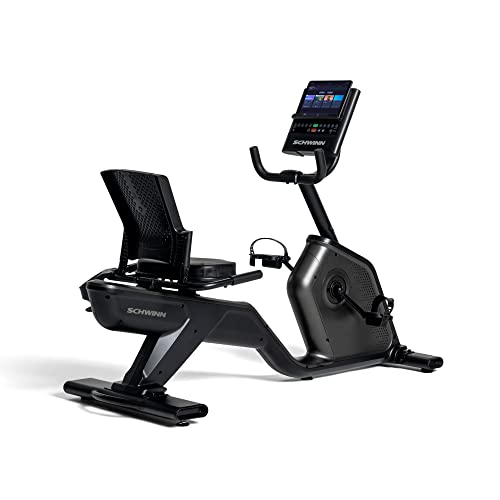
Yes, recumbent bikes are commonly used in physical therapy because they provide low-impact cardiovascular exercise while supporting your back and reducing joint stress. Many models, like the Schwinn Fitness 290 Recumbent Bike, Black (100948), offer adjustable resistance that can be tailored to your rehabilitation plan. Always consult your therapist before starting a new exercise routine.
What resistance level should I start with for rehab?
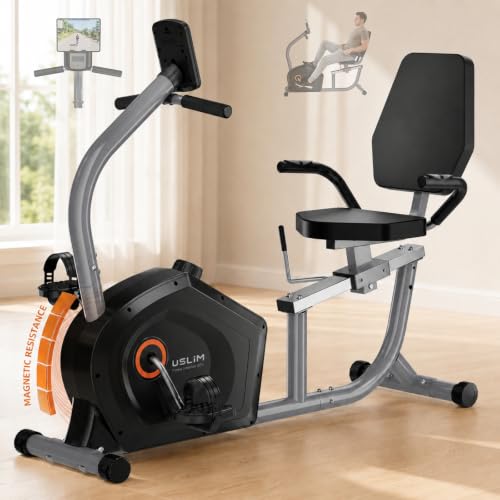
Start with the lowest resistance level, usually level 1, to allow your joints and muscles to adapt. Gradually increase resistance as your strength improves, but avoid pushing through pain. The Recumbent Exercise Bikes for Seniors & Adults from USLIM offers 16 levels, giving you plenty of room to progress safely.
Is a recumbent bike good for knee replacement recovery?
Absolutely. A recumbent bike is often recommended after knee replacement because it allows you to move your knee through a range of motion without bearing weight. The reclined position also reduces stress on the joint. Look for a bike with a smooth, magnetic resistance system, like the YOSUDA Recumbent Exercise Bike for Home, which is designed with rehab professionals.
How long should I ride a recumbent bike during rehab?
Begin with 10 to 15 minutes per session, three to five times a week, and gradually increase to 20 or 30 minutes as tolerated. Listen to your body and stop if you feel sharp pain or dizziness. The TRMDDF Recumbent Exercise Bike with Magnetic offers a comfortable padded seat, making longer sessions more enjoyable.


