
You finally found the perfect recumbent bike, but now you face the next challenge: getting it to the trail or park. Recumbent bikes and trikes are heavier and bulkier than standard uprights, so a regular bike rack often won’t cut it. This guide focuses specifically on the best recumbent bike rack options that can handle the unique shape and weight of these rides. We’ll cover hitch racks designed for trikes, heavy-duty carriers for e-trikes, and versatile mounts that work with various frame styles.
Whether you own a recumbent trike, a two-wheeled ‘bent, or an electric assist model, we have you covered. Our picks are based on load capacity, ease of loading, stability, and compatibility with your vehicle. We’ll also share key buying criteria so you can choose with confidence. For more on choosing the right recumbent for your needs, check out our guide to the best rated recumbent bikes for comfortable home workouts.




Buying Guide: What to Look For in a Recumbent Bike Rack
Weight Capacity and Frame Support
Recumbent bikes are significantly heavier than standard road or mountain bikes, often weighing between 35 and 60 pounds or more. E-trikes can easily exceed 100 pounds. You need a rack with a load capacity that comfortably exceeds your bike’s weight. Look for reinforced steel construction and check the per-bike limit if you plan to carry more than one.
Also consider how the rack supports the frame. Many standard racks rely on the top tube, which recumbents lack. Look for racks with adjustable cradles, wheel trays, or straps that can secure the frame at multiple points. For trikes, dedicated carriers with wheel wells and tie-down straps are the safest bet.
Hitch Compatibility and Vehicle Fit
Most heavy-duty recumbent racks require a 2-inch receiver hitch. If your vehicle has a 1.25-inch receiver, you’ll need an adapter or a rack that specifically supports both sizes. Check the rack’s compatibility with your vehicle type, whether it’s an SUV, truck, or sedan. Also, consider how the rack affects rear visibility and access to your trunk or tailgate.
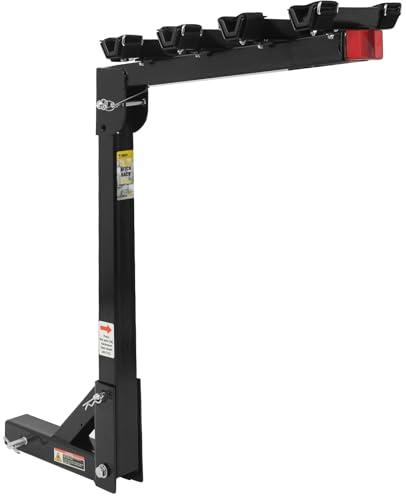
A tilting or swing-away feature is a huge convenience, allowing you to access your cargo area without unloading the bikes. Trunk-mounted racks are generally not suitable for recumbents due to weight and frame shape, so a hitch rack is almost always the right choice.
Ease of Loading and Security
Loading a heavy recumbent onto a rack can be a workout in itself. Look for racks with integrated ramps, low loading height, or a design that lets you roll the bike into place. A ramp is essential for heavier e-trikes. Once loaded, the rack must have secure tie-downs, wheel cradles, and anti-wobble mechanisms to keep your bike stable at highway speeds.
Security is also important. Consider racks with locking hitch pins and frame locks to deter theft. Some racks offer folding features for compact storage when not in use, which is a nice bonus for garage space. For more insights on recumbent comfort and features, see our guide to the best indoor recumbent bike.
Fender and Accessory Compatibility
Many recumbents come with fenders, which can interfere with certain rack designs. If your bike has fenders, ensure the rack has adjustable cradles or straps that can accommodate them without damage. Some racks, like the YONTUO rear rack, even include a fender for use on a standard bike, but for a recumbent, you’ll likely need a hitch rack with wide, adjustable trays.
Also, consider the wheelbase and tire width of your recumbent or trike. Fat tire trikes require racks with wider wheel trays. Measure your bike’s wheelbase and tire width before purchasing to ensure a proper fit. For budget-conscious shoppers, our best recumbent bike under $600 guide might help you save for a quality rack.
Final Thoughts
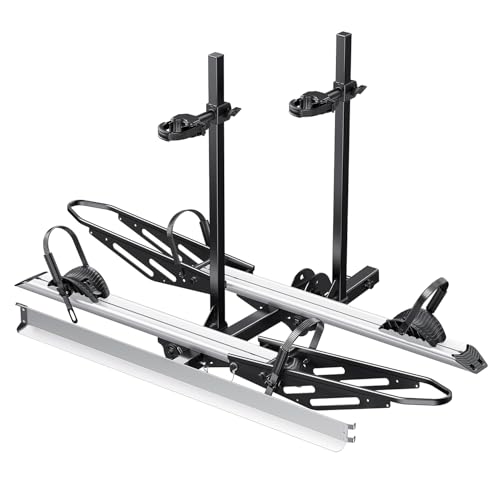
Choosing the right rack comes down to your specific recumbent style and vehicle. For most trike owners, a dedicated trike carrier like the Hitch Mount Trike Rack for Tricycles offers the most secure and stable transport, with its three ramps and 200-pound capacity. If you have a two-wheeled recumbent or a standard bike that needs occasional hauling, the versatile Saris Freedom Legacy 2-Bike Hitch Rack is a reliable choice that fits both 1.25 and 2-inch receivers. Whichever you pick, you’ll be ready to hit the road with confidence.
Frequently Asked Questions
Can I use a regular bike rack for a recumbent bike?
Most standard bike racks are not suitable for recumbents because they rely on a horizontal top tube for support, which recumbents lack. Even if the rack has adjustable arms, the weight distribution and frame shape can cause instability. It’s safer to use a rack specifically designed for recumbents or a platform-style hitch rack with wheel trays.
What is the weight capacity I need for an e-trikes rack?
E-trikes can weigh anywhere from 80 to 150 pounds, so you need a rack with a capacity of at least 150 pounds, ideally 200 pounds for added safety. Look for racks with reinforced steel construction and a high per-bike limit. The MOPHOTO Foldable Trike Rack supports 170 pounds, while the Hitch Mount Trike Rack from Young Electric handles up to 200 pounds.
Are hitch racks better than trunk racks for recumbents?
Yes, hitch racks are almost always better for recumbents because they offer higher weight capacities and more stable support. Trunk racks are limited to around 70 pounds and often cannot accommodate the long wheelbase or heavy frame of a recumbent. A hitch rack also keeps the bike farther from your vehicle, reducing the risk of scratches.
Can I mount a recumbent bike on a wall rack?
Yes, but you need a heavy-duty wall mount that can support the weight and has adjustable arms for the frame. The monTEK No-Lift Swivel Bike Wall Mount holds up to 77 pounds and fits wheels up to 29 inches, but it may not accommodate very long recumbents. For heavier recumbents, look for a wall mount with a higher capacity and wide adjustment range. For more storage ideas, check our best recumbent bike with arm exerciser for space-saving tips.