

If you carry extra weight, finding a recumbent bike that feels stable and supports your body comfortably can be a challenge. Many models feel flimsy, have narrow seats, or offer weight limits that make you nervous. That is why we put together this guide to the best recumbent bike for obese riders, focusing on models with high weight capacities, reinforced frames, and ergonomic seating.
We evaluated each bike for its weight limit, seat comfort, adjustability, and overall build quality. Whether you are starting a low-impact fitness journey or need a reliable machine for daily cardio, these picks are designed to accommodate larger bodies with confidence. For more insights on heavy-duty options, check our guide to recumbent bikes for heavy people.



Buying Guide: What to Look for in a Recumbent Bike for Obese Riders
Weight Capacity and Frame Stability
The most critical factor is the bike’s maximum weight limit. For obese riders, a frame rated at 300 lbs or higher is essential, but 400 lbs offers extra peace of mind. Look for a one-piece, heavy-duty steel frame that minimizes wobble during intense workouts.
A stable base not only feels safer but also protects the bike’s components from premature wear. The best recumbent bikes for big and tall riders often share these same structural qualities.
Seat Comfort and Adjustability
Recumbent bikes are prized for their supportive seats, but not all seats are created equal. Look for a wide, thickly padded seat with a breathable mesh backrest. Adjustable seat rails are crucial so you can position yourself correctly for your height and leg length.
An ergonomic backrest that follows the natural curve of your spine helps reduce lower back strain, which is especially important for heavier riders. Test the seat slider range to ensure it accommodates your inseam comfortably.
Resistance Levels and Drive System
Magnetic resistance systems provide a smooth, quiet ride and allow you to adjust intensity without mechanical friction. A higher number of resistance levels gives you more room to progress as your fitness improves. For beginners, 8 levels may be enough, but 16 levels offer greater versatility.
Belt drives are quieter than chain drives and require less maintenance. A weighted flywheel ensures consistent pedal motion, which feels more natural and helps you maintain a steady cadence.
Display and Connectivity Features
Tracking your progress is motivating. Look for an LCD display that shows time, distance, speed, calories, and heart rate. Many modern bikes also sync with fitness apps via Bluetooth, allowing you to follow structured workouts or explore virtual courses.
Built-in tablet holders and heart rate sensors on the handlebars add convenience. If you enjoy interactive training, consider models with app compatibility. For more options, see our best exercise bike with moving arms list, which highlights bikes that engage your upper body too.
Final Thoughts
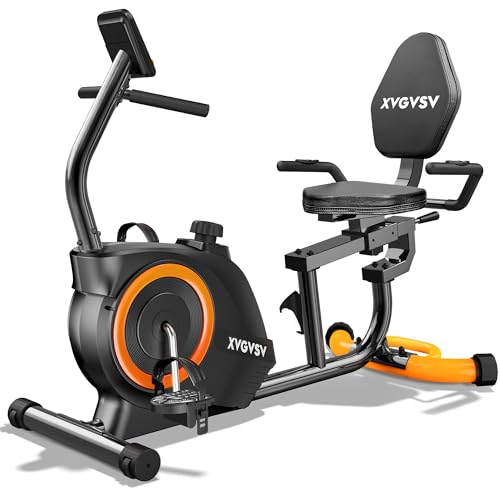
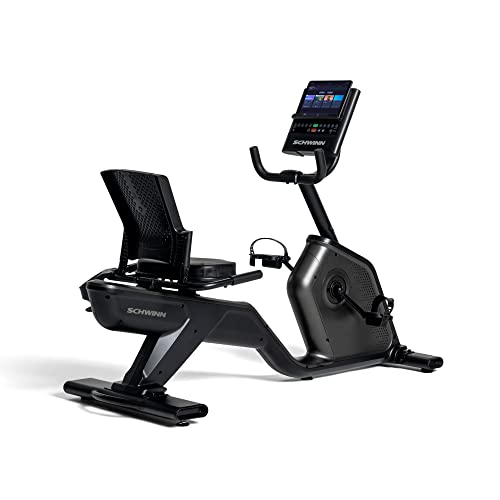
Choosing the right recumbent bike can transform your fitness routine, offering a safe, joint-friendly way to burn calories and strengthen your heart. For most obese riders, the pooboo Recumbent Exercise Bike stands out with its 400-lb capacity, 16 resistance levels, and ergonomic seat, making it a versatile choice for beginners and those in rehabilitation. If you prefer a more premium experience with app integration and a larger display, the Schwinn Fitness 290 Recumbent Bike, Black (100948) offers adaptive workouts and a smooth, quiet ride, ideal for those ready to invest in long-term health.
Frequently Asked Questions
Can a recumbent bike help with weight loss for obese individuals?
Yes, recumbent bikes provide an effective low-impact cardio workout that burns calories and improves cardiovascular health. Combined with a balanced diet, regular sessions can contribute to weight loss. The key is to start at a comfortable resistance and gradually increase intensity.
What is the weight limit on most recumbent bikes?
Standard recumbent bikes typically support 250 to 300 lbs, but heavy-duty models like the pooboo can handle up to 400 lbs. Always check the manufacturer’s specifications to ensure the bike suits your weight. For more details, refer to our best recumbent bike for heavy person guide.
Are recumbent bikes good for back pain?
Yes, recumbent bikes are often recommended for people with back pain because they provide lumbar support and reduce spinal compression. The reclined position distributes your weight over a larger area, minimizing strain. Always consult a healthcare professional before starting a new exercise routine.
How much space do I need for a recumbent bike?
Most recumbent bikes have a footprint of about 4 feet by 2 feet, but some models are more compact. Measure your available space and consider the bike’s length, as you need room to get on and off. For small spaces, see our best recumbent bike for small spaces recommendations.
