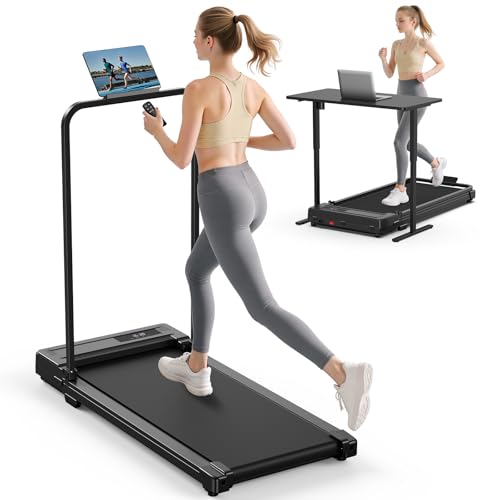

You’ve committed to your fitness goals, but the gym feels like a chore. You want a workout that torches calories, builds endurance, and fits your schedule. An incline treadmill can transform your home cardio, simulating hills to engage more muscles and boost intensity. But with so many options, how do you choose? This guide breaks down the best incline treadmills for home use in 2026, from budget-friendly walking pads to heavy-duty runners. We’ll help you find the right one for your space, fitness level, and goals.
Whether you’re a beginner looking to add incline to your walks or a seasoned runner seeking a challenging hill workout, we’ve got you covered. We’ve evaluated top models from trusted brands like NordicTrack, ECHANFIT, and Viamotion, focusing on features that matter most: incline range, motor power, cushioning, and foldability. If you’re also exploring other options, check out our best treadmill for home use guide for a broader look.


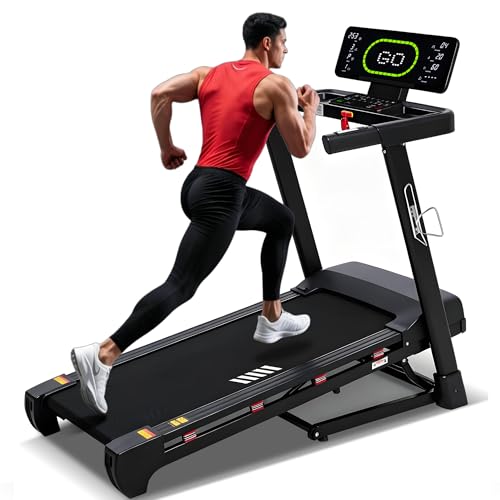


Buying Guide: What to Look for in an Incline Treadmill
Incline Range and Adjustment
The core feature of any incline treadmill is its ability to raise the deck. A higher incline range, like 15 or 20 levels, allows for more intense hill simulations and greater calorie burn. Look for models with quick-adjust buttons on the console and handrails for seamless changes mid-workout.
For most users, a 0-10% incline is sufficient, but if you’re a serious hill runner, consider a model with 15 or 20 levels. The incline treadmills category features models with varying ranges, so you can compare and choose based on your fitness goals.
Motor Power and Speed
The motor drives the belt and supports your running speed. A continuous horsepower (CHP) rating of 2.5 to 4.5 is ideal for regular use. Higher horsepower ensures smooth operation at higher speeds and under heavier loads. Check the speed range to ensure it matches your needs, from walking speeds around 0.5 mph to running speeds up to 12 mph.
A brushless motor is quieter and more durable than a traditional one, making it a great choice for home use. If you plan to run daily, invest in a model with at least 3.0 CHP. For lighter walking, a 2.0 CHP motor may suffice, but always consider future needs.
Cushioning and Deck Size
Good cushioning reduces joint impact, making workouts more comfortable and safer. Look for multi-layer decks, silicone cushions, or spring dampers that absorb shock. A wider and longer belt (e.g., 20″ x 50″) provides more room for natural strides, especially for taller users.
If you have knee or ankle issues, prioritize models with advanced shock absorption. The deck size also affects stability; a larger deck offers a more secure feel. For compact spaces, consider folding treadmills that save room without sacrificing deck quality. Explore our folding treadmills for space-saving options.
Foldability and Storage
Home treadmills should fit your living space. Folding models with hydraulic soft-drop systems allow easy storage upright or against a wall. Transport wheels make moving the machine simpler. If you live in an apartment or have limited space, a foldable design is essential.
Check the folded dimensions to ensure it fits your storage area. Some models, like walking pads, are ultra-compact and can slide under a bed. For more ideas, see our walking pads collection.
Final Thoughts
Choosing the best incline treadmill comes down to your specific needs: space, budget, and workout style. For a powerful, feature-rich option that handles intense hill workouts, the Heavy Duty Treadmill for Home with its 20-level incline and robust motor is a top choice. If you prefer a compact, budget-friendly solution for walking and light jogging, the Walking Pad Treadmill for Home offers convenience and portability. Both are excellent investments in your fitness journey, so pick the one that aligns with your goals and get moving.
Frequently Asked Questions
What is a good incline percentage for a treadmill?
A good incline percentage for most users ranges from 1% to 10%. A 1% incline mimics outdoor running, while higher percentages (5-10%) increase intensity and calorie burn. For hill training, you can go up to 15% or more on models that support it.
Do incline treadmills burn more calories?
Yes, incline treadmills burn more calories than flat treadmills because they require more effort. Walking or running uphill engages more muscle groups, including glutes and hamstrings, and elevates your heart rate, leading to higher energy expenditure.
How much space do I need for an incline treadmill?
Space requirements vary by model. Folding treadmills can be stored upright, needing about 10 square feet of floor space when in use. Walking pads are even more compact, fitting under a bed or sofa. Always check the product dimensions to ensure it fits your room.
Can I use an incline treadmill for walking?
Absolutely. Incline treadmills are excellent for walking. You can set a low speed and increase the incline to create a challenging walking workout that builds lower body strength and endurance. Many models offer preset walking programs for convenience.