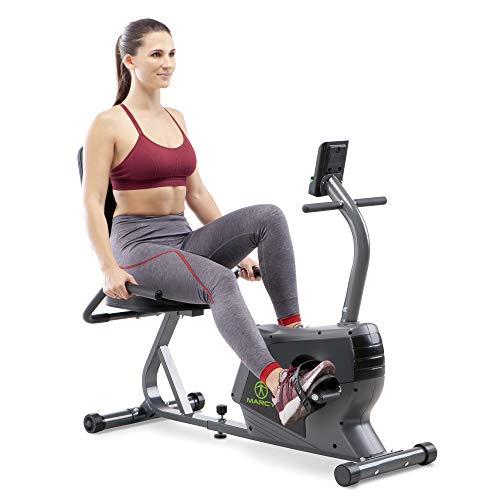

🔥 Black Friday Exercise Bike Deals: picks worth watching →
If you or a loved one is living with Parkinson’s disease, finding safe and effective ways to stay active is essential. Gentle, low-impact movement can help maintain joint flexibility, improve coordination, and support overall well-being. That’s why choosing the best exercise bike for Parkinson’s patients is a key step in managing symptoms at home. In this guide, we review six top-rated pedal exercisers that offer seated, low-stress workouts for the legs, arms, and full body. Each model is evaluated for stability, ease of use, and adjustable resistance so you can find the perfect fit for your recovery or daily exercise routine. For more insights on staying active as you age, check out our roundup of the best exercise bike for elderly people.


Buying Guide
Adjustable Resistance for Gentle Progression
Parkinson’s patients often need to start with very light effort and gradually increase intensity as strength improves. Look for a pedal exerciser with a simple tension knob that lets you dial in low resistance for smooth, easy motion. The RYGEO Pedal Exerciser Mini Exercise Bike for Leg and the XVCAS Under Desk Bike Pedal Exerciser for Arms both offer customizable resistance, making them ideal for gentle, progressive training.
Stability and Safety During Use
A stable base prevents tipping or sliding, which is crucial for users with balance challenges. Models with wide, non-slip feet or suction cups provide extra security on hard floors. The MDODM Pedal Exerciser Bike for Seniors features a triangular base with suction cups, while the RYGEO Pedal Exerciser Bike for Seniors – Arm, Leg uses four corner feet for solid contact. For more on stability features, see our exercise bike ratings reviews.
Full-Body vs. Focused Movement
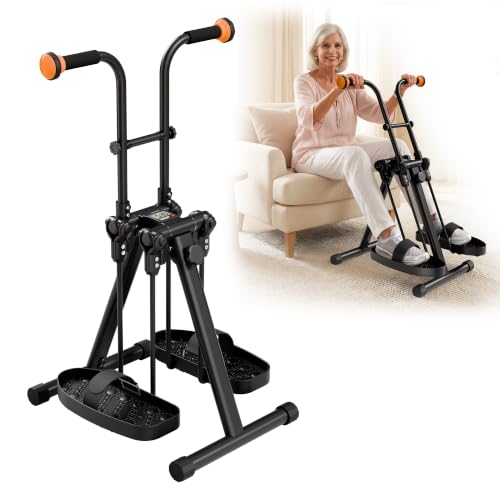
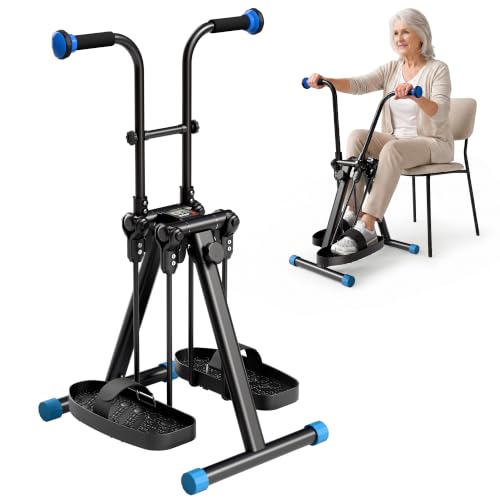
Some pedal exercisers target only the legs, while others engage arms, hands, and core through coordinated motion. For Parkinson’s patients, full-body machines can improve cross-body coordination and range of motion. The MDODM Pedal Exerciser Bike for Seniors and the Pedal Exerciser Bike for Seniors by MOMODA both offer synchronous arm and leg movement. If you prefer a recumbent style for added back support, check out the best rated recumbent bike for seniors.
LCD Display and Progress Tracking
Seeing your progress can be motivating and help you stay consistent. Most of the models we reviewed include an easy-to-read LCD screen that shows time, count, and calories. The XVCAS Under Desk Bike Pedal Exerciser for Arms and the RYGEO Pedal Exerciser Bike for Seniors – Arm, Leg both have clear displays that cycle through data with a single button press. For more options with tracking, see our YOSUDA pro magnetic exercise bike review.
Final Thoughts
After reviewing these six pedal exercisers, we believe the RYGEO Pedal Exerciser Bike for Seniors – Arm, Leg stands out for its full-body gentle motion and sturdy build, making it a top choice for Parkinson’s patients who want to engage both upper and lower body from a seated position. For those who need a compact, budget-friendly option that fits under a desk or beside a chair, the RYGEO Pedal Exerciser Mini Exercise Bike for Leg offers reliable low-impact leg cycling with easy tension control. Whichever you choose, consistent daily use can support joint health, circulation, and overall mobility.
Frequently Asked Questions
Can exercise bikes help with Parkinson’s symptoms?
Yes, regular low-impact cycling can improve leg strength, balance, and coordination, which are often affected by Parkinson’s. Seated pedal exercisers allow for safe, gentle movement that reduces stiffness and supports joint flexibility. Many patients find that consistent use helps maintain their mobility over time.
What type of exercise bike is best for someone with Parkinson’s?
A seated pedal exerciser with adjustable resistance and a stable base is ideal. Models that allow both arm and leg movement can enhance cross-body coordination. The MDODM Pedal Exerciser Bike for Seniors and the Pedal Exerciser Bike for Seniors by MOMODA are excellent choices for full-body engagement.
How often should a Parkinson’s patient use a pedal exerciser?
Most experts recommend 15 to 30 minutes of gentle cycling per day, several times a week. It’s important to start slowly and listen to your body. Always consult with a healthcare provider before beginning any new exercise routine, especially if you have balance or mobility concerns.
Are recumbent exercise bikes better for Parkinson’s patients?
Recumbent bikes offer a more reclined position with back support, which can be beneficial for those with balance issues. They are a great alternative to upright pedal exercisers. For a detailed comparison, read our guide on recumbent bikes.