

🔥 Black Friday Exercise Bike Deals: picks worth watching →
If you suffer from knee pain, finding a safe and effective way to stay active can feel challenging. The impact of running or jumping can aggravate your joints, but that does not mean you have to give up exercise entirely. A stationary bike offers a low-impact cardiovascular workout that strengthens your legs and improves mobility without stressing your knees. This guide reviews the best exercise bike for bad knees in 2026, featuring recumbent and upright models designed for comfort and joint protection. Whether you are recovering from an injury or managing chronic pain, we have options to suit your needs. For more targeted advice, check out our best recumbent bike for bad knees guide.


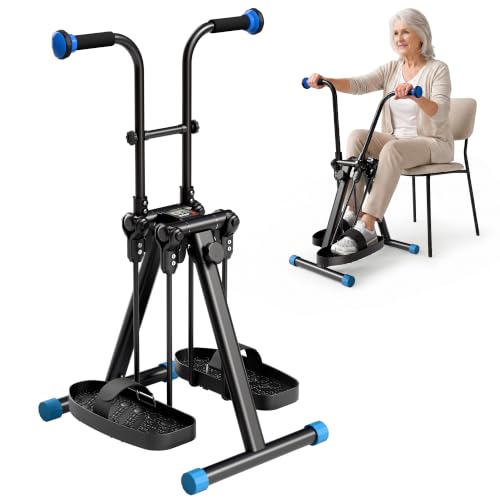

Buying Guide: What to Look for in an Exercise Bike for Bad Knees
Low-Impact Design and Resistance Type
The most important factor for knee-friendly cycling is low-impact resistance. Magnetic resistance systems provide smooth, quiet pedaling that reduces joint strain. Unlike friction-based systems, magnetic resistance does not wear down over time and offers consistent tension. Look for bikes with at least 8 levels of resistance to gradually build strength. For more details on recumbent options, visit our best home recumbent bike for seniors article.
Adjustable Seat and Comfort Features
Proper knee alignment is crucial to avoid pain. Choose a bike with a fully adjustable seat that moves vertically and horizontally. A padded, ergonomic seat with back support helps maintain posture and reduces pressure on your knees. Recumbent bikes, like those reviewed in our best recumbent bike for rehabilitation guide, offer a reclined position that distributes weight evenly.
Frame Stability and Weight Capacity
A sturdy frame prevents wobbling during workouts, which is especially important for those with balance concerns. Look for heavy-duty steel frames with a weight capacity of at least 250 pounds. Wider bases and non-slip feet add stability. Compact folding models are ideal for small spaces, but ensure they lock securely. Browse our recumbent bikes category for space-saving options.
Display and Tracking Features
Monitoring your progress keeps you motivated. An LCD display that shows time, distance, speed, and calories helps you track improvements. Some bikes include Bluetooth connectivity for apps or heart rate monitors. For a comprehensive overview, check out the exercise bikes parent category.
Final Thoughts
After evaluating multiple models, our top recommendation for knee-friendly cycling is the YOSUDA Folding Exercise Bike, which offers versatile recumbent and upright modes with a comfortable back support cushion and ultra-quiet magnetic resistance. For a more budget-friendly, portable option ideal for gentle rehabilitation, consider the RYGEO Pedal Exerciser Mini Exercise Bike for Leg, perfect for seated use while watching TV or working at a desk. Both models prioritize joint safety and ease of use, helping you stay active without aggravating your knees.
Frequently Asked Questions
Is a recumbent bike better for bad knees than an upright bike?
Recumbent bikes are often preferred for bad knees because they position your body in a reclined posture with a larger seat and back support. This reduces pressure on the knees and lower back, making pedaling more comfortable. Upright bikes can also be effective if properly adjusted, but recumbent designs generally offer superior joint protection.
Can I use an exercise bike every day with knee pain?
Yes, low-impact cycling is safe for daily use if you listen to your body. Start with 10 to 15 minute sessions at low resistance and gradually increase duration. If you experience sharp pain, stop and consult a healthcare professional. Many people find that regular cycling actually helps reduce knee stiffness over time.
What resistance level should I use for knee rehabilitation?
For rehabilitation, begin with the lowest resistance level to focus on range of motion without strain. As your knees strengthen, you can slowly increase resistance. Magnetic resistance systems are ideal because they provide smooth, consistent tension. Always warm up with 5 minutes of easy pedaling before increasing intensity.
How do I choose between a pedal exerciser and a full-size stationary bike for bad knees?
Pedal exercisers are compact and can be used while sitting in a chair or on a couch, making them great for gentle movement and rehabilitation. Full-size stationary bikes offer more resistance levels, better seat adjustments, and a more intense workout. For severe knee issues, a pedal exerciser may be a safer starting point, while those seeking regular cardio may prefer a full-size bike. For more insights, see our best recumbent bike for rehabilitation guide.

