

🔥 Treadmill Black Friday Deals for 2026: picks worth watching →
If you suffer from bad knees, finding a workout that builds strength without causing pain can feel impossible. High-impact exercises like running or jumping can aggravate joints, while even some stationary bikes place undue stress on the knees. That is where a recumbent bike shines. With its reclined seating and low-impact pedaling motion, it supports your knees while still delivering an effective cardio session. In this guide, we have evaluated the best recumbent bike for bad knees in 2026, focusing on models that prioritize joint safety, comfort, and adjustability. Whether you are recovering from an injury or managing chronic knee pain, these bikes offer a gentle yet powerful way to stay active at home.


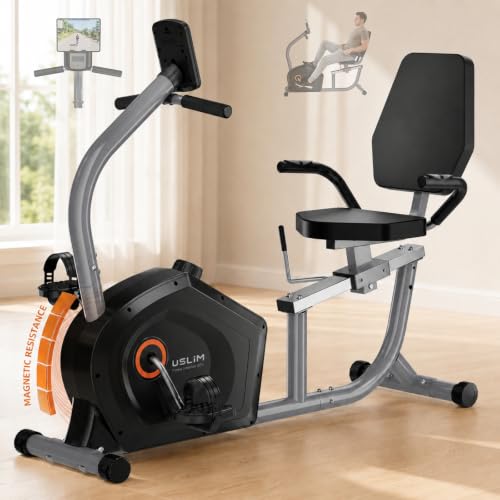


Buying Guide: What to Look for in a Recumbent Bike for Bad Knees
Ergonomic Seat and Back Support
For anyone with bad knees, comfort during exercise is non-negotiable. A recumbent bike with an ergonomic, padded seat and a supportive backrest helps maintain proper posture, reducing strain on the lower body. Look for models with adjustable seat rails and breathable mesh backrests, these features allow you to find a riding position that keeps your knees aligned and minimizes pressure. The best recumbent bike for rehabilitation often includes these design elements to support recovery.
Magnetic Resistance for Smooth Pedaling
Magnetic resistance systems provide a smooth, quiet ride that is ideal for knee-friendly workouts. Unlike friction-based resistance, magnetic systems offer consistent tension without jerky movements, which can aggravate joint pain. A wide range of resistance levels, typically 16, lets you start with gentle warm-ups and gradually increase intensity as your knees strengthen. This is a key feature to consider when shopping for the best recumbent bike for riding at home.
Adjustable Fit for All Heights
Proper fit is critical to avoid knee strain. A recumbent bike should allow you to adjust the seat forward or backward so that your legs extend fully without locking your knees. Many models accommodate users from 4’9″ to 6’3″, with stepless rail adjustments for precision. This ensures that every ride is tailored to your body, reducing the risk of discomfort or injury.
Stability and Weight Capacity
A stable frame is essential for safe, wobble-free workouts, especially for seniors or individuals with balance concerns. Look for bikes with reinforced steel frames and weight capacities of 350 lbs or higher. Transport wheels and a compact footprint are bonuses, making it easy to move and store the bike. For more insights, check out our guide to the best home recumbent bike for seniors.
Final Thoughts
Choosing the best recumbent bike for bad knees comes down to finding a model that combines comfort, adjustability, and low-impact performance. For a premium option with commercial-grade durability and Bluetooth connectivity, the 3G Cardio Elite RB X Recumbent Exercise Bike stands out with its oversized seat and extensive adjustability. If you prefer a budget-friendly choice that still delivers excellent knee support and a high weight capacity, the TRMDDF Recumbent Exercise Bike offers ergonomic design and near-silent operation. Both bikes prioritize joint health, making them excellent companions for your fitness journey.
Frequently Asked Questions
Is a recumbent bike good for bad knees?
Yes, a recumbent bike is an excellent choice for bad knees. Its reclined seating position reduces pressure on the knee joints while still providing a solid cardiovascular workout. The low-impact pedaling motion helps strengthen the muscles around the knees without causing additional strain.
What resistance level should I use for knee pain?
Start with a low resistance level, typically 1 to 4 on a 16-level system, to warm up your joints and muscles. As your knees feel stronger, you can gradually increase resistance. The key is to maintain a smooth, controlled pedaling motion without jerking or forcing the movement.
Can a recumbent bike help with knee rehabilitation?
Absolutely. Recumbent bikes are commonly used in physical therapy for knee rehabilitation because they allow for controlled, low-impact movement. The adjustable resistance lets you slowly build strength and range of motion. Always consult with a healthcare professional before starting any new exercise program, especially after an injury. For more tailored options, read our guide to upright bikes for bad knees.
How often should I use a recumbent bike for knee health?
For general knee health, aim for 20 to 30 minutes of riding, 3 to 5 times per week. Listen to your body, if you experience sharp pain, stop and adjust the seat or resistance. Consistency is more important than intensity, especially when managing knee issues.


