

You’ve decided to add more movement to your day, but a full-sized treadmill feels like overkill for your apartment or home office. That’s where a walking pad comes in. These slim, portable machines let you walk while you work, watch TV, or just get your steps in without leaving the house. But with so many options on the market, how do you know which features actually matter? In this guide, we’ll walk you through the walking pad best features to consider in 2026, so you can choose a model that fits your space, your fitness goals, and your daily routine.
Whether you’re a remote worker looking to stay active during meetings or a senior seeking a low-impact way to exercise, the right walking pad can make a world of difference. We’ve evaluated dozens of models, from budget-friendly basics to feature-packed incline machines, to help you understand what separates a good walking pad from a great one. Let’s dive into the key features you should never overlook.




Buying Guide: What to Look For in a Walking Pad
Incline Capability
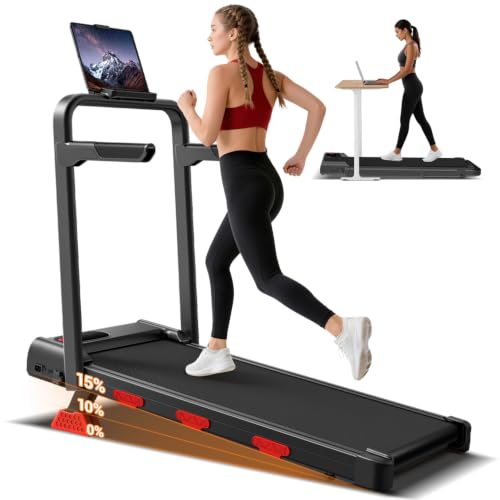
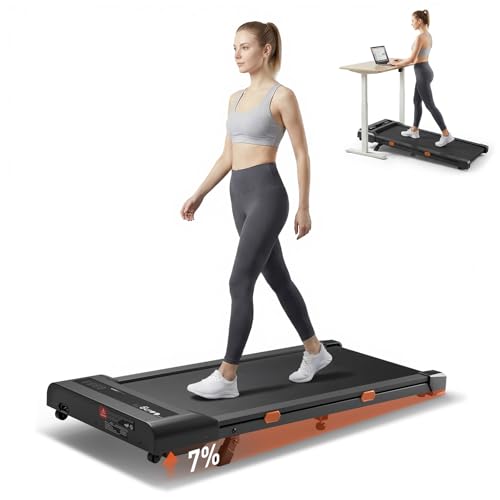
One of the most impactful features on a walking pad is the ability to adjust the incline. A flat walk is fine, but adding an incline can significantly boost calorie burn and engage your glutes, hamstrings, and calves. Some models, like the LONTEK 15% Incline Walking Pad Treadmill, offer manual incline options of 10% or even 15%, while others like the Walking Pad with Incline from KALWOL provide a quick 10% adjustment. If you’re serious about progressive training, look for a pad with at least a 10% incline. For a deeper dive into incline training, check out our guide on best incline treadmill settings.
Keep in mind that manual incline adjustments require you to stop and physically change the setup, while auto-incline models let you adjust with a remote or app. If you plan to use the pad while working, an auto-incline feature can be a game-changer, but it often comes at a higher price point.
Motor Power and Noise Level
The motor is the heart of any walking pad. A brushless motor is generally quieter and more durable than a brushed one. Look for a motor with at least 2.0 HP to handle regular walking and occasional jogging. For example, the Cybergoing T10 Walking Pad Treadmill Powered by Bosch offers a reliable motor that supports up to 300 pounds. Noise levels are also critical, especially if you’ll be on calls or walking while others are nearby. Many modern pads operate below 45 dB, which is quieter than a normal conversation. The Walking Pad Treadmill for Home from Viamotion boasts a 45 dB operation, making it a solid choice for shared spaces.
If you’re a heavier user, check the weight capacity. Most walking pads support between 242 and 350 pounds. For heavy users, we recommend reviewing our best walking pads for heavy people list to find models with reinforced frames and higher capacities.
Belt Size and Cushioning
The running belt’s width and length directly affect your comfort. A narrow belt can feel restrictive, especially for taller users. Look for a belt that’s at least 15 inches wide and 36 inches long. The Cybergoing T10 offers a 15″ x 36″ belt, which is a good standard. Cushioning is equally important, as it reduces impact on your joints. Many pads feature multi-layer belts and shock-absorbing strips. The Walking Pad Treadmill for Home from Vhorilix includes a 5-layer anti-slip belt with silicone shock absorbers, which is great for joint protection. For those with knee issues, our best walking pads for bad knees guide offers additional insights.
Portability and Storage
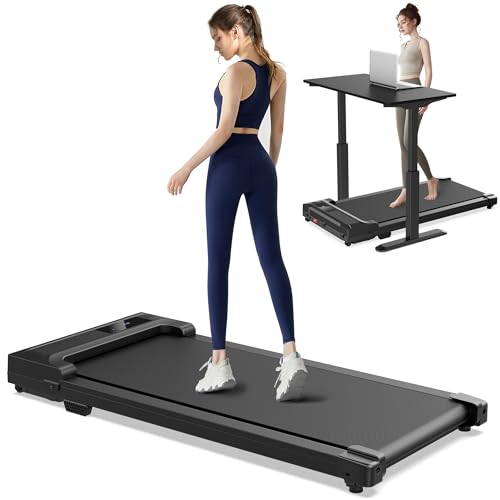
One of the main reasons people choose a walking pad is its compact size. But not all pads are equally easy to store. Look for models that are slim enough to slide under a bed or sofa, and consider the weight. Some pads, like the Walking Pad Treadmill for Home with Handle Bar from Terluxra, feature transport wheels for easy movement. Others can be folded upright to save floor space. If you live in a small apartment, a lightweight pad under 30 pounds is ideal. The Buztrio Walking Pad Treadmill for Home is a budget-friendly option that weighs just around 16 kg and includes wheels, making it easy to move from room to room.
Don’t underestimate the importance of a remote control or app connectivity. Being able to adjust speed without bending down is a small luxury that makes a big difference during a workout. Some pads even offer preset programs and countdown modes, which can help you stay motivated. For seniors, ease of use is paramount, and our best walking pads for seniors guide highlights models with simple controls and safety features.
Final Thoughts
Choosing the right walking pad comes down to balancing the features that matter most to you. If you’re looking for a versatile machine that can grow with you, the LONTEK 15% Incline Walking Pad Treadmill offers multiple incline levels and a powerful motor, making it a top pick for home fitness enthusiasts. On the other hand, if you prefer a compact, budget-friendly option that’s easy to store and move, the Walking Pad Treadmill for Home with Handle Bar from Terluxra is a reliable choice. Whichever you choose, remember that the best walking pad is the one you’ll actually use consistently. Happy walking!
Frequently Asked Questions
What is the best incline for a walking pad?
The best incline depends on your fitness level and goals. A 10% incline is a great starting point for most users, as it increases calorie burn without being too strenuous. Some models, like the LONTEK, offer up to 15% for a more intense workout. If you’re new to incline walking, start with a lower setting and gradually increase as you build strength.
Can I use a walking pad under a standing desk?
Yes, many walking pads are specifically designed for under-desk use. Look for models with a low profile and a speed range that includes slow walking speeds (around 0.6 mph). The Cybergoing T10 is a popular choice for this purpose, with speeds up to 4 mph and a compact design. Just make sure your desk has enough clearance for the pad’s height.
Are walking pads noisy?
Most modern walking pads are designed to operate quietly, with noise levels typically below 45 dB. That’s quieter than a normal conversation and similar to the hum of a refrigerator. Brushless motors tend to be quieter than brushed ones, so check the motor type if noise is a concern. The Viamotion model, for instance, operates at 45 dB, making it suitable for office use.
How much space do I need for a walking pad?
Walking pads are designed to be space-saving, but you’ll still need enough room to walk comfortably. Most pads are around 40 inches long and 20 inches wide, so a clear area of about 4 feet by 2 feet is sufficient. When not in use, many models can be stored under a bed or sofa, or leaned against a wall. For more tips on space-saving, check our affordable treadmills with incline guide for similar space considerations.


