
You have been eyeing a rowing machine for months, but the price tag and space concerns keep holding you back. Maybe you are tired of crowded gyms or want a workout that does not pound your joints. This guide cuts through the noise to answer the question: is a rowing machine worth buying? We review ten top models from brands like Concept2, WaterRower, and YOSUDA, covering every resistance type and budget. Whether you are a beginner or a seasoned athlete, you will find the data you need to decide. For more on the broader category, check out our rowing machines overview.



Buying Guide
Resistance Type: Air, Water, or Magnetic
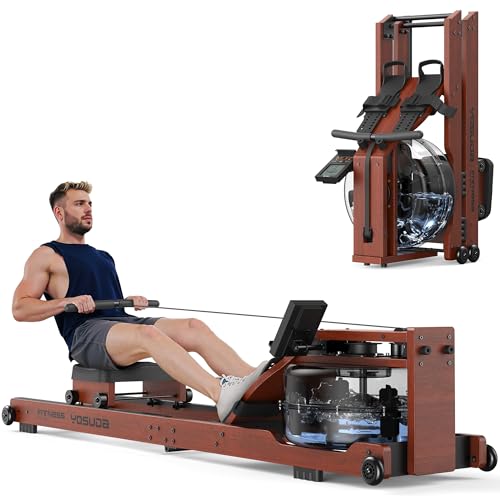
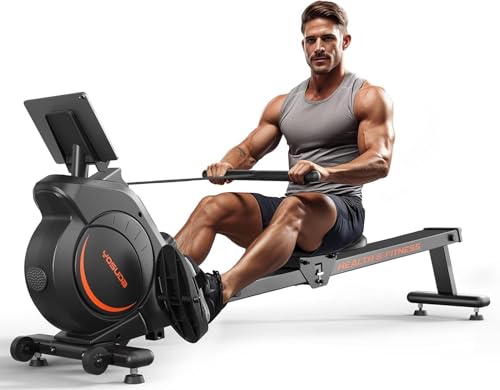
The resistance system defines your rowing feel. Air rowers, like the Concept2 RowErg, use a flywheel that generates resistance proportional to your effort. They are durable and used in competitions but can be loud. Water rowers, such as the WaterRower and JOROTO models, use a water tank for a smooth, soothing sound. Magnetic rowers, like the YOSUDA and Merach units, offer silent operation with adjustable levels. For a deeper dive, read our comparison of water, air, and magnetic rowers.
Build Quality and Weight Capacity
A sturdy frame ensures safety and longevity. Look for aluminum or steel rails, as seen in the MAJOR FITNESS Drone R1 and YOSUDA models, which support up to 350 to 400 pounds. Wooden frames, like the WaterRower ash wood, add elegance but require care. Always check the user height range: most units accommodate up to 6’3″. For space-saving, foldable designs like the YOSUDA foldable rower are ideal for apartments.
Monitor and App Connectivity
Modern rowers offer Bluetooth and app integration for tracking progress. The Concept2 PM5 is the gold standard, syncing with over 40 apps. Many YOSUDA and JOROTO models connect to Kinomap for guided workouts. A clear LCD screen displaying time, distance, and calories is essential. For more on choosing the right type, see our guide on the best type of rowing machine for home use.
Noise Level and Storage
If you live in an apartment or share a space, noise matters. Magnetic rowers operate below 25 dB, perfect for quiet environments. Air rowers produce a whooshing sound, while water rowers create a gentle splash. Foldable designs with transport wheels, like the YPOO and pooboo models, save floor space. For value picks, explore the best home rowing machine for the money.
Final Thoughts
So, is a rowing machine worth buying? Absolutely, if you value a full-body, low-impact workout that engages up to 86% of your muscles. For serious athletes and long-term durability, the Concept2 RowErg Indoor Rowing Machine remains the gold standard with its proven air resistance and PM5 monitor. For budget-conscious home users who want quiet operation and app connectivity, the YOSUDA Water Rowing Machines for Home Use-Foldable offers an immersive water resistance experience at an accessible price point. Both options deliver exceptional value without compromising on quality.
Frequently Asked Questions
Is a rowing machine good for weight loss?
Yes, rowing machines burn significant calories while building muscle. A 30-minute session can burn 200 to 300 calories depending on intensity. Combined with a healthy diet, regular rowing supports fat loss and improves cardiovascular fitness.
How much space do I need for a rowing machine?
Most rowers require about 8 feet by 4 feet of floor space when in use. Foldable models, like those from YOSUDA and JOROTO, reduce storage footprint significantly. Always measure your area before purchasing.
Are rowing machines noisy?
Noise depends on the resistance type. Magnetic rowers are nearly silent, water rowers produce a gentle swoosh, and air rowers create a whoosh sound. For quiet workouts, choose magnetic or water models. See our guide on rower workouts for more details.
What muscles does a rowing machine work?
Rowing engages legs, core, back, shoulders, and arms. It is a full-body, low-impact exercise that strengthens major muscle groups while being gentle on joints. Proper form is key to maximizing benefits and preventing injury.