
🔥 Treadmill Black Friday Deals for 2026: picks worth watching →
You’ve decided to bring the gym home, but the sheer number of spin bikes on the market can feel overwhelming. Whether you’re a seasoned cyclist looking to maintain your fitness or a complete beginner wanting a low-impact start, finding the best stationary spin bikes for your space, budget, and goals is the first step to a consistent routine. This guide reviews ten top-rated models to help you make an informed choice.
We have evaluated each bike based on its build quality, noise level, adjustability, and smart features. From whisper-quiet magnetic resistance to app-connected training, these picks cover a range of needs. If you are comparing high-tech options, you might also find our comparison of Peloton vs Echelon helpful for understanding the premium landscape.


Buying Guide: What to Look For in a Stationary Spin Bike
Resistance Type: Magnetic vs. Friction
The resistance system is the heart of any spin bike. Magnetic resistance uses magnets to create tension against the flywheel, offering a nearly silent, smooth ride that requires minimal maintenance. Friction resistance, often using a felt pad against the flywheel, is generally more affordable but can be noisier and wear down over time.
For most home users, a magnetic resistance bike is the superior choice due to its quiet operation and longevity. Many of the models on our list, such as the YOSUDA Pro Magnetic and the MERACH Magnetic Resistance bikes, excel in this area. For those rehabilitating from an injury, a low-impact, quiet magnetic bike is often recommended, as discussed in our guide to the best exercise bikes for rehab.
Adjustability and Comfort
A proper fit is crucial for both comfort and injury prevention. Look for a bike with a multi-way adjustable seat (both vertically and horizontally) and a handlebar that moves up and down. This ensures riders of different heights can find their optimal riding position.
Features like a padded seat, caged pedals with adjustable straps, and a sturdy frame also contribute to a more comfortable and secure experience. Bikes like the CURSOR FITNESS and YOSUDA models offer extensive adjustability, making them suitable for a wide range of users, including older adults who may need a more accessible setup, as highlighted in our article on best exercise bikes for over 60s.
Smart Features and Connectivity
Modern spin bikes often come with Bluetooth connectivity, allowing you to sync with fitness apps like Zwift, Kinomap, or the brand’s own app. This can transform your workout with virtual classes, route tracking, and performance data.
An integrated tablet holder is a must for following along with classes or watching entertainment. Some models, like the YESOUL G1M, even feature a built-in screen. For runners looking to cross-train, an app-connected bike can provide structured workouts that mimic interval training, a topic we explore in our piece on the best exercise bike for runners.
Stability and Weight Capacity
A stable frame is non-negotiable for a safe and effective workout. Look for bikes with a heavy-duty steel frame and a wide, reinforced base to prevent wobbling during intense sprints or standing climbs. The weight capacity is a key indicator of overall build quality.
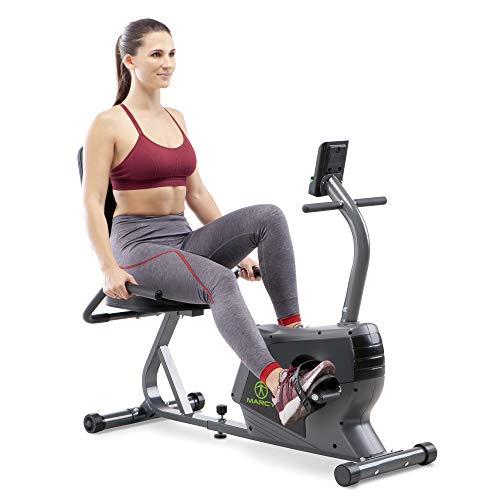
Most of the bikes reviewed here support up to 300 lbs or more, with the YOSUDA Pro Magnetic model boasting a 350 lbs capacity. A rock-solid bike not only feels safer but also lasts longer. If you have limited floor space, you might also consider a recumbent exercise bike for small spaces as an alternative for a more reclined position.
Final Thoughts
Choosing the best stationary spin bike comes down to balancing your budget with the features that matter most to you. For an unbeatable combination of quiet magnetic resistance, app connectivity, and robust build quality at a mid-range price, the YOSUDA PRO Magnetic Exercise Bike 350 lbs Weight is an outstanding all-rounder that will serve you for years. If you are seeking a more budget-friendly entry point without sacrificing essential features like a smooth ride and solid stability, the CURSOR FITNESS Exercise Bike offers incredible value for money, making home fitness accessible for everyone.
Frequently Asked Questions
What is the difference between a spin bike and a regular exercise bike?
A spin bike is designed to simulate the feel of an outdoor road bike, with a heavier flywheel and a more aggressive, forward-leaning posture. Regular exercise bikes, like upright or recumbent models, offer a more upright, casual seating position and are often better for general fitness and rehabilitation. Spin bikes are ideal for high-intensity interval training (HIIT) and building cycling-specific strength.
How much space do I need for a stationary spin bike?
Most spin bikes have a compact footprint, typically around 2 feet wide by 4 feet long. You should also allow for a few extra feet of clearance on each side for easy mounting and dismounting. Many models come with transport wheels, making them easy to move and store when not in use.
Are magnetic resistance spin bikes worth the extra cost?
Yes, for most people, a magnetic resistance bike is worth the investment. They are virtually silent, require no maintenance (no pads to replace), and provide a smoother, more consistent pedaling experience. This makes them ideal for apartment living or for use while others are sleeping or working. In 2026, magnetic resistance is the standard for quality home spin bikes.
Can I use a spin bike if I have knee problems?
Spin bikes can be an excellent low-impact cardio option for those with knee issues, provided you set up the bike correctly. The key is to ensure the seat height is adjusted so your leg has a slight bend at the bottom of the pedal stroke, avoiding full extension. The smooth, circular motion is much gentler on the joints than running. For more tailored advice, see our guide to the best exercise bikes for rehab.