

You want to elevate your home cardio without sacrificing floor space or your budget. The challenge is finding the adjustable incline best treadmill for home that delivers real hill simulation, sturdy build, and quiet operation. Whether you are a walker aiming to tone glutes or a runner seeking interval training, an incline treadmill offers versatile, joint-friendly workouts. This guide evaluates nine top models to help you make an informed choice.


Buying Guide
Incline Range and Mechanism
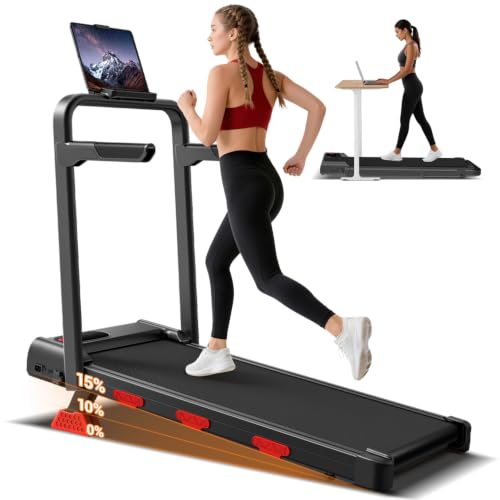
Incline is the core feature that separates a basic walking pad from a true fitness tool. Look for models offering at least 10% to 15% incline. Some use manual risers, while others feature motorized auto incline that adjusts with a button or app. Auto incline is more convenient for interval training, but manual options are simpler and often more affordable. For a deeper look at incline options, see our guide to affordable treadmills with incline.
Motor Power and Noise Level
A quiet brushless motor is essential for home use, especially if you exercise while others sleep or work. Motors rated 3.0 HP or higher provide smooth acceleration and support heavier users. Noise levels around 45 dB are considered whisper-quiet. For more on quiet models, check our best quiet folding treadmill picks.
Belt Size and Cushioning
A wider and longer belt (at least 16 by 40 inches) allows for a natural stride and safer foot placement. Multi-layer shock absorption reduces joint impact, making workouts more comfortable. This is especially important for users with knee or hip concerns. Learn more about optimizing your workout with our guide to best incline and speed.
Foldability and Storage
If space is tight, a folding treadmill with transport wheels is a must. Look for models that fold flat to under 6 inches tall for easy storage under a bed or sofa. Hydraulic folding systems add convenience, allowing you to set up or store the machine in seconds. For more space-saving ideas, explore our incline treadmill category.
Final Thoughts
After evaluating these nine models, the Treadmill with 15% Auto Incline stands out for its motorized incline, touchscreen, and heart rate monitoring making it ideal for tech-savvy users who want automated training. For a budget-friendly yet feature-packed option, the LONTEK 15% Incline Walking Pad Treadmill offers manual incline versatility and a compact footprint perfect for small spaces. Both deliver excellent value for home fitness in 2026.
Frequently Asked Questions
What incline percentage is best for home treadmills?
Most home users benefit from a range of 10% to 15% incline. This simulates moderate to steep hills, boosting calorie burn and engaging glutes and hamstrings. If you plan to walk only, a 10% incline is sufficient. For runners, 15% or higher adds challenge for interval training.
Can I use an incline treadmill every day?
Yes, but vary your incline levels to avoid overuse injuries. Alternate between flat walking and incline sessions. The cushioning on quality treadmills reduces joint stress, making daily use safe for most fitness levels.
How do I maintain my incline treadmill?
Regularly lubricate the belt according to the manufacturer’s guidelines. Clean the deck and motor area from dust. Check and tighten bolts periodically. For more maintenance tips, see our best incline treadmill settings guide.
What is the difference between manual and auto incline?
Manual incline requires you to physically adjust risers or pads under the treadmill, offering fixed levels. Auto incline uses a motor to change the angle at the touch of a button or via an app, allowing seamless transitions during workouts. Auto incline is more convenient for interval training, while manual is simpler and often cheaper.


