

You step onto the treadmill, punch in a speed, and start walking. But without the right incline, you might be leaving results on the table. Whether your goal is torching extra calories, building leg strength, or protecting your joints, the angle of the deck changes everything. This guide walks you through the best incline treadmill settings for different fitness goals, and we highlight treadmills that make adjusting that grade effortless.
If you’re new to incline training or just want to fine-tune your routine, you’re in the right place. We’ve evaluated a range of models, from compact walking pads to full-featured machines, to help you find the right tool for your home gym. For more context on choosing the right machine, check out our guide to the best incline treadmills for home use.
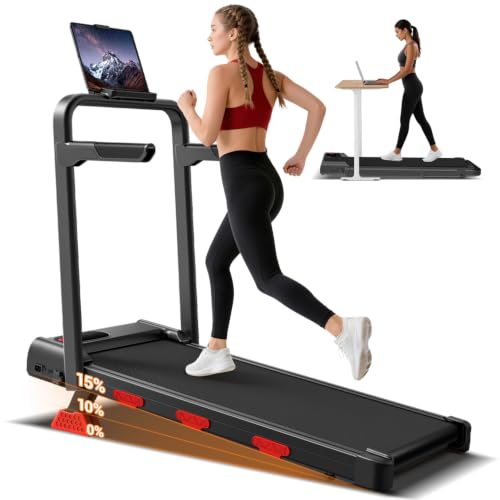


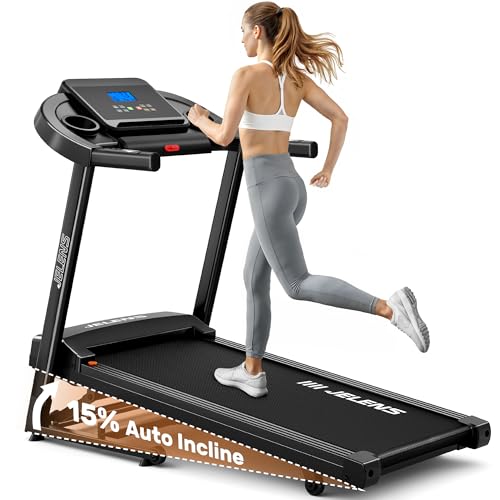


Buying Guide: What to Look for in an Incline Treadmill
Incline Range and Adjustability
The most critical feature is how steep you can go and how easy it is to change the grade. Some treadmills offer a manual incline that requires you to stop and adjust, while others let you change the angle with the touch of a button. For interval training, an auto incline is a game-changer because you can switch from flat to 10% without breaking stride.
Look for a range that suits your goals. A 10% incline is plenty for most walkers, but if you want to simulate serious hill climbing, consider models that reach 15% or even 40%. The best auto incline treadmills typically offer 12% to 15% and let you program custom workouts.
Motor Power and Speed Range
A treadmill’s motor needs to handle the extra strain of incline work. A 2.5 to 3.5 HP motor is ideal for home use, especially if you plan to run or walk at higher inclines. Speed range matters too: you want a machine that can go slow enough for walking (around 0.5 mph) and fast enough for running (up to 7.5 or 10 mph).
Brushless motors are quieter and more durable, which is a plus if you live in an apartment or share walls. Check the maximum user weight capacity as well, especially if you’re on the heavier side or plan to use the treadmill frequently.
Cushioning and Shock Absorption
Incline walking puts extra stress on your joints, particularly your knees and ankles. A good treadmill should have multiple layers of cushioning to absorb impact. Look for features like silicone shock absorbers, anti-slip belts, and side impact strips. These not only protect your joints but also reduce noise and vibration.
For low-impact training, a well-cushioned deck is non-negotiable. If you’re recovering from an injury or just want a comfortable stride, prioritize models with advanced shock absorption. Our best home treadmill for incline walking roundup highlights options with superior cushioning.
Display, Connectivity, and Convenience
Tracking your incline, speed, and heart rate is essential for optimizing your workouts. Look for a clear LED display that shows time, distance, calories, and incline percentage. Some models come with built-in heart rate sensors or Bluetooth connectivity to sync with fitness apps.
Folding designs and transport wheels are also worth considering if space is tight. A treadmill that folds flat and rolls away makes it easy to store after your session. For compact options, see our top picks for compact treadmills with incline.
Final Thoughts
Finding the right incline setting is about matching the angle to your fitness level and goals. For beginners, starting with a 1% to 3% grade simulates outdoor walking and engages your glutes and hamstrings. If you’re aiming for fat loss, intervals between 5% and 10% will spike your heart rate and burn more calories. For serious hill training, a 15% or higher incline builds leg strength and endurance. The NordicTrack T Series 5 Starter Treadmill for Real offers a 10% auto incline that’s perfect for most home users, while the LONTEK 40% Incline Walking Pad Treadmill for Home takes you to a steep 40% for those who crave a challenge. Whichever you choose, start slow, listen to your body, and gradually increase the grade as you get stronger. For more guidance, explore our WELLFIT auto incline treadmill review for another reliable option.
Frequently Asked Questions
What is the best incline setting for fat loss on a treadmill?
For fat loss, a 5% to 10% incline at a brisk walking speed is highly effective. This range boosts your heart rate and activates more muscle fibers than flat walking, leading to greater calorie burn. In 2026, many experts recommend interval training with alternating inclines to maximize results.
How do I choose the right incline for my fitness level?
Beginners should start with a 1% to 3% incline to mimic outdoor walking and avoid overexertion. As your endurance improves, gradually increase the grade by 1% every few sessions. Listen to your body; if you can’t maintain a conversation, the incline is too high.
Can I use a high incline every day?
Using a high incline (above 10%) daily can lead to overtraining and joint strain. It’s better to alternate between high and low incline days to allow your muscles and joints to recover. Incorporate rest days or flat walking to prevent injury.
What’s the difference between auto and manual incline?
Auto incline lets you change the angle with a button or via a workout program, making it easy to do intervals without stopping. Manual incline requires you to get off the treadmill and adjust the deck physically, which is less convenient but often found on budget models. For the best experience, consider an auto incline treadmill.


