

If you have bad knees, finding the right walking pad can feel like a challenge. You need a machine that absorbs shock, offers a comfortable stride, and won’t aggravate existing joint issues. That is exactly why we created this guide. We evaluated the top walking pads on the market with a focus on cushioning, incline options, and overall joint friendliness. Whether you are recovering from an injury or simply want to protect your knees during daily walks, these picks will help you stay active without pain. For more tips on home fitness, check out our guide to the best walking pads for home use.


Buying Guide: What to Look for in a Walking Pad for Bad Knees
Shock Absorption and Cushioning
For bad knees, cushioning is non-negotiable. Look for models with multi-layer belts, silicone absorbers, or specialized suspension systems. These features reduce impact on your joints with every step. The best compact treadmills with incline often include advanced shock absorption to protect knees during incline walking.
Incline Capabilities
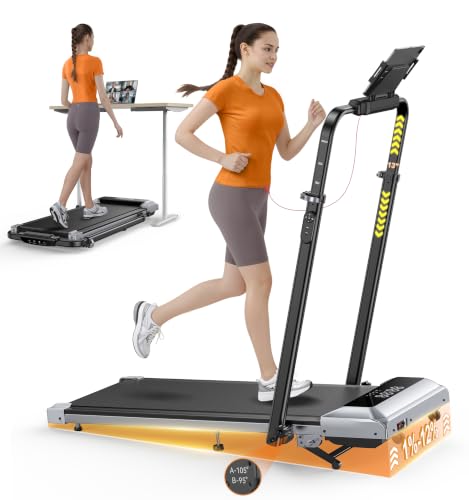
Auto incline lets you increase intensity without adding high-impact running. A walking pad with incline allows you to simulate hills, which strengthens muscles around the knee without jarring movements. Models with 10% to 20% incline offer excellent versatility for low-impact cardio.
Belt Size and Stability
A wider and longer belt gives you more room to stride naturally, reducing the chance of awkward steps that can strain knees. Look for a deck at least 16 inches wide and 40 inches long. Heavy-duty frames also prevent wobbling, which is crucial for joint safety. Compare walking pads vs. treadmills to see which form factor suits your space and needs.
Motor Power and Noise Level
A quiet, consistent motor ensures smooth operation without jerky starts that can jolt your knees. Brushless motors are quieter and more durable. For home or office use, a walking pad that runs below 55 dB is ideal. Explore our picks for the best quiet walking pads for apartments for more silent options.
Final Thoughts
Choosing the right walking pad for bad knees comes down to cushioning, incline, and stability. For a premium experience with excellent shock absorption and a wide deck, we recommend the Vitalwalk Walking Pad with Incline 20%/12% Auto because its heavy-duty frame and 8-point cushioning system minimize joint stress. If you prefer a budget-friendly option with effective cushioning and a compact design, the TOPUTURE Walking Pad Treadmill with 12% Incline offers great value with its adjustable handlebars and double shock absorption. Both models will help you stay active while protecting your knees.
Frequently Asked Questions
Can walking on a walking pad help strengthen my knees?
Yes, low-impact walking strengthens the muscles around your knees without jarring impact. Using a walking pad with incline can further engage your quads and hamstrings, improving knee stability over time. Always start at a comfortable pace and listen to your body.
What is the best incline setting for bad knees?
A low incline of 2% to 5% is generally safe for bad knees as it reduces pressure on the kneecap. Higher inclines like 10% or more can be effective but may increase strain if you have patellar issues. Consult your doctor before starting a new routine in 2026.
Do I need a walking pad with a handlebar for knee safety?
Handlebar support can help maintain balance and reduce the risk of falls, especially if you have knee instability. Some walking pads offer adjustable handlebars for added comfort. For more on safe walking techniques, see our guide on the best incline and speed to walk on a treadmill.
Can I use a walking pad if I have arthritis in my knees?
Yes, walking on a cushioned surface can be beneficial for arthritis as it lubricates the joints and strengthens supporting muscles. Choose a model with excellent shock absorption and a smooth, consistent belt. Start with short sessions and gradually increase duration as tolerated.


