
🔥 Black Friday Exercise Bike Deals: picks worth watching →
Recovering from surgery, injury, or managing a chronic condition often requires gentle, controlled movement to rebuild strength and mobility without risking further harm. Exercise bikes designed for rehab provide that low-impact, adjustable support, making them an essential tool for physical therapy at home. Whether you are an elderly individual seeking to maintain joint flexibility, a post-operative patient regaining leg function, or a caregiver looking for safe equipment, this guide on the best exercise bikes for rehab in 2026 will help you find the ideal match. We have evaluated nine models across different categories, from compact pedal exercisers to recumbent bikes with back support, to suit various recovery stages and budgets.






Buying Guide
Type of Bike: Recumbent vs. Mini vs. Motorized
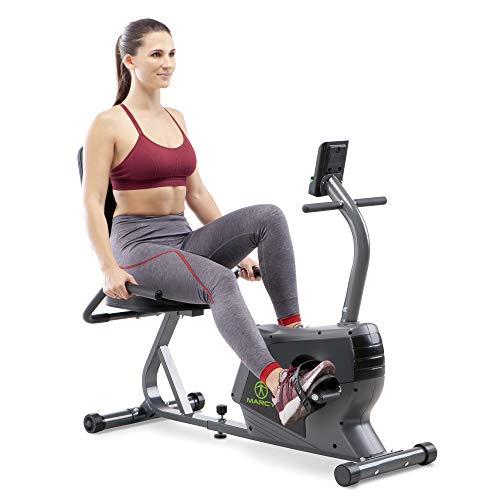
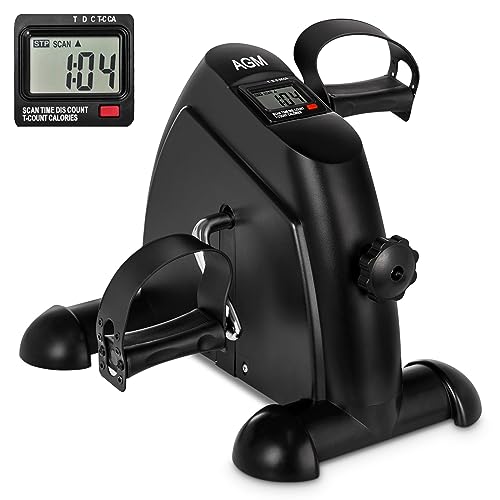
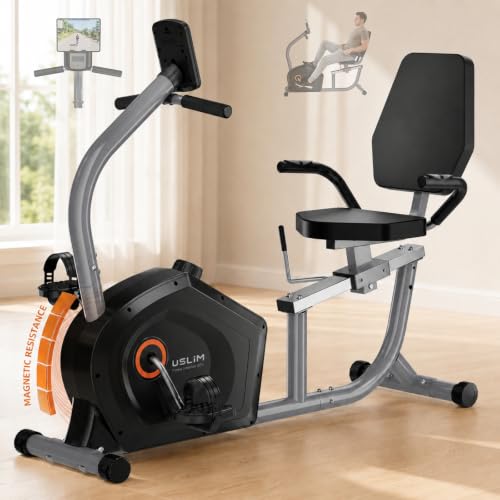
For rehab, the bike’s design matters greatly. Recumbent bikes, like the MERACH and USLIM models, offer a reclined seating position with back support, reducing strain on the lower back and promoting proper posture during recovery. Mini pedal exercisers, such as the RYGEO and AGM options, are portable and can be used on a table for arm rehab or on the floor for legs, making them versatile for limited mobility. Motorized bikes, like the PHYCISER, feature an electric motor that passively moves the pedals, ideal for those with minimal strength or spasticity issues. Consider the user’s mobility level and therapy goals when choosing.
Adjustable Resistance and Speed
Rehabilitation requires gradual progression. Look for bikes with multiple resistance levels, such as the 16-level magnetic systems on the BARWING and TRMDDF models, which allow for incremental increases in intensity as strength improves. For motorized options, variable speed settings are crucial; the PHYCISER offers 20 speeds for precise control. A smooth, quiet operation is also important to avoid startling the user and to maintain a peaceful environment. For more on low-impact options, see our best exercise bike for Parkinson’s patients guide.
Comfort and Support Features
Extended sessions demand comfortable seating and ergonomic design. Recumbent bikes with padded seats, adjustable backrests, and frosted handlebars (like the MERACH) enhance comfort. For mini bikes, non-slip pedals with adjustable straps (AGM, TODO) ensure foot stability. Look for features like leg supports (PHYCISER) for those with limited control. A bike that fits the user’s body reduces fatigue and prevents secondary injuries. For space-saving designs, check out best recumbent exercise bike for small spaces.
Safety and Ease of Use
Rehab equipment must prioritize safety. Anti-slip pedals, stable frames (look for high weight capacities like 400 lbs on the USLIM and TRMDDF), and emergency stop mechanisms are vital. Motorized bikes with anti-spasm systems (PHYCISER) automatically pause if excessive resistance is detected, preventing injury. Easy assembly and intuitive controls, such as remote operation, reduce frustration. Consider transport wheels for moving the bike between rooms. For more on budget-friendly options, see best budget magnetic spin bike.
Final Thoughts
Choosing the right exercise bike for rehab depends on the individual’s specific needs, from passive movement for early recovery to active pedaling for strengthening. For seniors or those with limited mobility seeking a comfortable, full-body option, the MERACH Recumbent Exercise Bikes for Home High-end offers excellent lumbar support and quiet operation. If you need a portable, versatile solution for both arm and leg rehab at a low intensity, the RYGEO Pedal Exerciser Mini Exercise Bike for Leg is a lightweight and effective choice. Both products represent reliable, safe options to support your recovery journey.
Frequently Asked Questions
Can I use an exercise bike for rehab after knee surgery? Yes, low-impact cycling is often recommended by physical therapists to improve range of motion and strengthen the knee. Start with minimal resistance and gradually increase as tolerated. Always consult your doctor before starting any rehab program.
What is the difference between a recumbent and upright exercise bike for rehab? Recumbent bikes have a reclined seat with back support, reducing stress on the spine and hips, making them safer for those with balance issues or back pain. Upright bikes mimic traditional cycling and engage core muscles more, but may be challenging for beginners or those with limited mobility.
Are motorized exercise bikes safe for elderly users? Yes, motorized bikes with anti-spasm features and low speeds are designed for safe, passive movement. They help prevent muscle atrophy and improve circulation without requiring active effort, which is ideal for those with limited strength or coordination. For more options, see our best exercise bikes for over 60s guide.
How often should I use a rehab bike for recovery? Frequency depends on your recovery stage and doctor’s advice. Generally, 10 to 20 minutes per session, 3 to 5 times a week, is a good starting point. Listen to your body and avoid overexertion. Consistency is more important than intensity during rehab.